


Falls are a major health concern for older adults, often leading to serious injuries, loss of independence, and even fatal complications. According to the Centers for Disease Control and Prevention (CDC), over 14 million adults aged 65 and older experience a fall each year, with about 1 million requiring hospitalization for them.
Fortunately though, falls are preventable. Below are 10 factors that can increase your risk of falling, along with expert tips from the CDC to help you stay safe.
Factor 1 – Medications

Although our medications can really help with our illnesses, sometimes those same medications can cause dizziness and drowsiness that can results in falls. According to the CDC, these medications are proven to have increased the risk of falls:
- Antidepressants
- Sedatives
- Muscle Relaxers
- Blood Pressure Medication
- COPD Medications
CDC Tip: Write down all of your medications (including any over the counter ones) and bring them to the doctor and discuss which ones can increase your risks of falling and see what they can do to help lower that risk.
Factor 2 – Diabetes
Diabetes can cause blurry or loss of vision, which increases falls.
CDC Tip: Managing your diabetes effectively can help. You can do this by staying on top of routine medical appointments, maintaining a healthy diet, staying active most days when you can, regularly monitoring your blood sugar, and taking medications as prescribed.
Factor 3 – Any Other Age-Related Illnesses
Diseases like Parkinson’s, arthritis and even having a stroke can increase the risk of falls.
CDC Tip: Speak to your doctor about doing a fall-risk assessment. This test assess factors such as balance, strength, gait, mobility, and overall health conditions that may contribute to fall risk.
Factor 4 – Pets

These furry animals are great companions, especially to older adults, but they also pose as a fall risk. For example, they can push in front of you or you can accidentally trip over them while walking.
CDC Tip: Check to see where your pet is before walking, especially if you have stairs nearby. If you start to find that they may be hard to handle, the CDC recommends hiring a dog walker to take care of those tasks to keep you safe.
Factor 5 — Worsening Memory
Memory forgetfulness is a normal process of aging. When you’ll start to realize that memory loss is not “normal” is when symptoms of Alzheimer’s and other forms of dementia develop.
When someone has dementia, the brain can have trouble telling the body what to do and how to navigate when walking, putting that person at increased risk of falling.
CDC Tip: Make sure things in your home are easily accessible, that makes things easier to grab and lower your risk of falling. When it comes to dementia, discuss risks with a doctor and ask for a fall-prevention test.
Factor 6 – Vision Changes
As we get older, naturally, our vision will start to decline. But if these problems are left untreated, it can become a concern. Changes in vision can affect the way you see distances and even balance believe it or not.
CDC Tip: According to the American Academy of Ophthalmology recommends adults 65+ should get their vision checked every 2 years to stay on top of any vision changes that may occur.
Factor 7 – Blood Pressure Drops
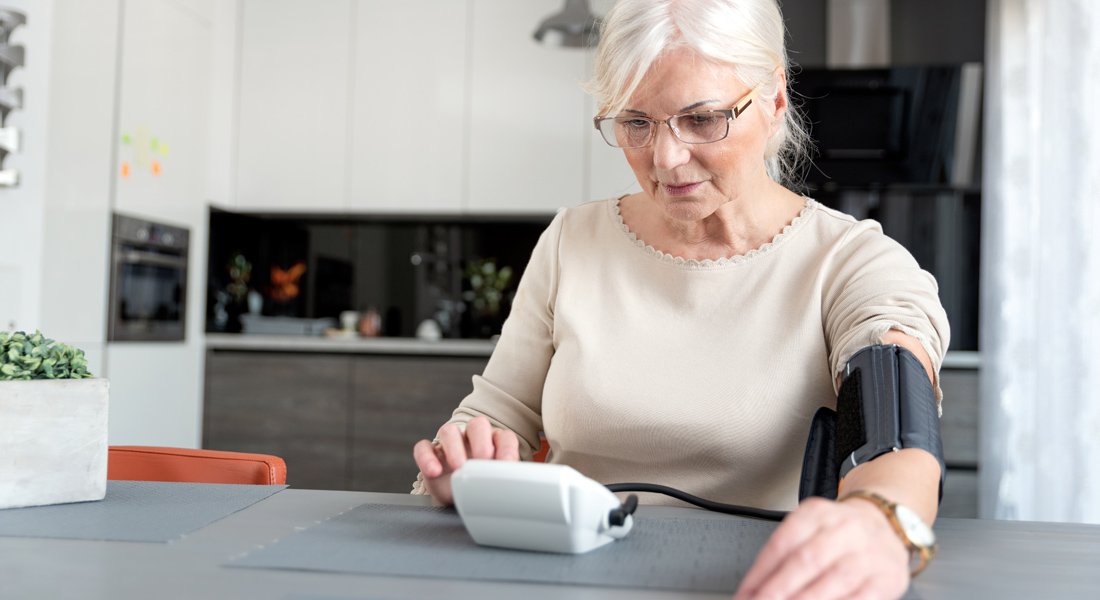
When you go from laying down for a period of time to standing up, your blood pressure changes, which can make you feel light-headed and disrupt balance. Blood pressure drops can also occur when taking blood pressure medicine, too.
CDC Tip: Speak to a medical professional about possibly changing or adjusting any medications. Make sure to stay hydrated, avoid taking hot baths or showers, and try changing positions from sitting/lying down to standing slowly to help reduce the risk of falls.
Factor 8 – Bunions and Other Foot Issues
Bunions, arches and toe deformations like hammer toes can increase a person’s fall risk.
CDC Tip: Visiting an orthopedist and/or podiatrist can help figure out the best course of action. They can provide insoles for shoes that help with balance and mobility.
Factor 9 – Sarcopenia and Osteoporosis
Sarcopenia is a condition where as we age our muscles lose strength. Osteoporosis is where bones become weak and brittle. Both of these conditions affect mobility.
CDC Tip: The CDC recommends that older adults strength train two times a week with body weight exercises. This will help with mobility and muscle strength. For Osteoporosis, increasing calcium and vitamin D intake (leafy greens and fish) will keep your bones healthy.
Factor 10 – Walking too Slowly
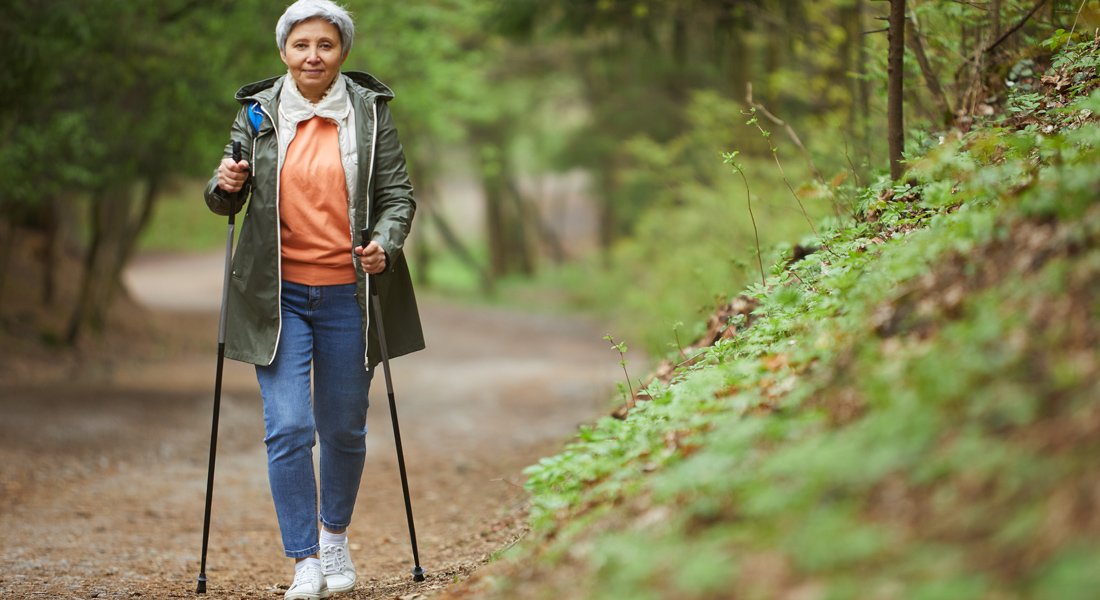
Contrary to what you may think, older adults who walk more slowly tend to fall more often.
CDC Tip: There are a couple of things you can do to help keep walking at a safer, faster pace: getting the correct footwear and consistent exercise.
These are only a few of the factors that can cause falls in older adults. This AARP article touches on a few more.
Article Source: https://www.aarp.org/health/conditions-treatments/info-2025/surprising-fall-risks.html
Image Sources:
https://stock.adobe.com/contributor/206893339/kiattisak?load_type=author&prev_url=detail
https://stock.adobe.com/contributor/207087898/seventyfour?load_type=author&prev_url=detail
https://stock.adobe.com/contributor/207087898/seventyfour?load_type=author&prev_url=detail
https://stock.adobe.com/contributor/206510129/eric-hood?load_type=author&prev_url=detail
https://stock.adobe.com/contributor/201276176/proxima-studio?load_type=author&prev_url=detail