

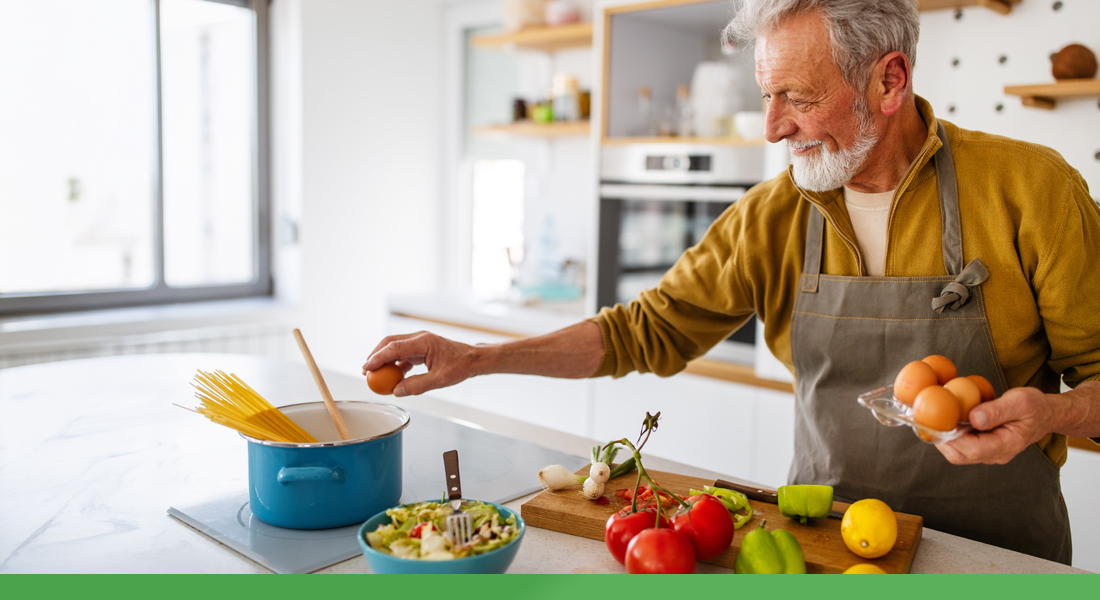
As we grow older, taking care of our health becomes more important than ever. While staying active and keeping up with regular medical appointments are key parts of healthy aging, one of the most powerful ways to support your overall well-being starts in the kitchen.
Good nutrition provides your body with the fuel it needs to stay strong, maintain energy, and support everyday activities. Whether you’re an older adult or a caregiver, making healthy food choices can have a lasting impact on your overall health — physically and mentally.
Why Nutrition Matters for Older Adults
Our bodies naturally, over time change with age. Our muscle mass gradually decreases, metabolism slows, and certain nutrients become more difficult to absorb. At the same time, chronic health conditions and medications can affect appetite or alter nutritional needs.
A balanced diet can help support a number of things such as:
- Healthy bones and muscles
- Heart health
- Brain function and memory
- A strong immune system
- Healthy weight management
- Energy levels throughout the day
Eating well also plays an important role in maintaining mobility and independence — two crucial components of aging comfortably at home.
Nutrients That Support Healthy Aging
While every person has unique dietary needs, several nutrients become especially important as we age.
Protein
Protein is a key nutrient that has a lot of benefits. It helps preserve muscle mass and strength, making it easier to perform everyday tasks like climbing stairs, carrying groceries, or getting in and out of a chair. Good sources include lean meats, fish, eggs, dairy products, beans, lentils, tofu, and nuts.
Calcium and Vitamin D
Strong bones are essential for reducing the risk of fractures and falls. Calcium works together with vitamin D to maintain bone health and support muscle function.
Foods rich in calcium include milk, yogurt, cheese, leafy green vegetables, and fortified foods. Vitamin D can come from sunlight, fortified foods, and supplements when recommended by a healthcare provider.
Fiber
Fiber supports healthy digestion and can help manage cholesterol and blood sugar levels. Whole grains, fruits, vegetables, legumes, and seeds are all excellent sources of fiber.
Healthy Fats
Not all fats are created equal. Healthy fats, such as those found in salmon, avocados, walnuts, flaxseed, and olive oil, support heart health and brain function.
Vitamins and Minerals
Colorful fruits and vegetables provide important vitamins, minerals, and antioxidants that help protect cells from damage. Aim to include a variety of colors on your plate throughout the week — daily if possible.
Don’t Forget to Stay Hydrated
Staying hydrated is just as important as eating nutritious foods. As people age, the body’s sense of thirst may decrease, making dehydration more common.
Drinking water consistently throughout the day helps support digestion, circulation, joint health, and temperature regulation. If water can get “boring”, other ways to hydrate include herbal tea, milk, broth-based soups, and water-rich fruits and vegetables like cucumbers and lettuce.
Simple Tips for Eating Well Daily
Healthy eating doesn’t have to be complicated. Small, consistent habits often make the biggest difference.
Try these:
- Fill half your plate with fruits and vegetables.
- Choose whole grains whenever possible.
- Include a source of protein with every meal.
- Limit foods high in added sugars, sodium, and saturated fats.
- Prepare healthy snacks ahead of time.
- Eat regular meals instead of skipping them.
If cooking for one feels challenging, consider preparing larger meals and freezing individual portions for later. This can save time while ensuring nutritious meals are always available.
Nutrition and Aging in Place
For many older adults, remaining in the home they love is an important goal. Good nutrition helps make that possible by supporting strength, balance, and overall health.
Maintaining muscle strength can make daily activities easier, while proper nutrition helps the body recover from illness or injury more effectively. Combined with regular physical activity, a healthy diet can help you stay active and continue doing the things you enjoy.
Creating a safe home environment is another important part of aging in place. Our mobility solutions such as stairlifts, lift chairs, and other accessibility products can help reduce fall risks and make moving throughout the home easier, allowing older adults to maintain their independence with confidence.
When Healthy Eating Becomes More Difficult
Sometimes physical limitations can make grocery shopping, meal preparation, or standing in the kitchen more challenging.
If you or a loved one is experiencing difficulty with daily tasks, consider:
- Asking family or friends for assistance.
- Using grocery delivery or meal delivery services.
- Preparing meals in batches.
- Keeping healthy, easy-to-prepare foods on hand.
- Talking with a registered dietitian or healthcare provider about individual nutritional needs.
Small Choices Add Up
Healthy aging isn’t about following a perfect diet — it’s about making consistent choices that support your overall well-being.
By eating a balanced diet, staying hydrated, and remaining physically active, you can help protect your health, support your mobility, and continue enjoying an active, independent lifestyle for years to come.
image source: www.stock.adobe.com #410079959