

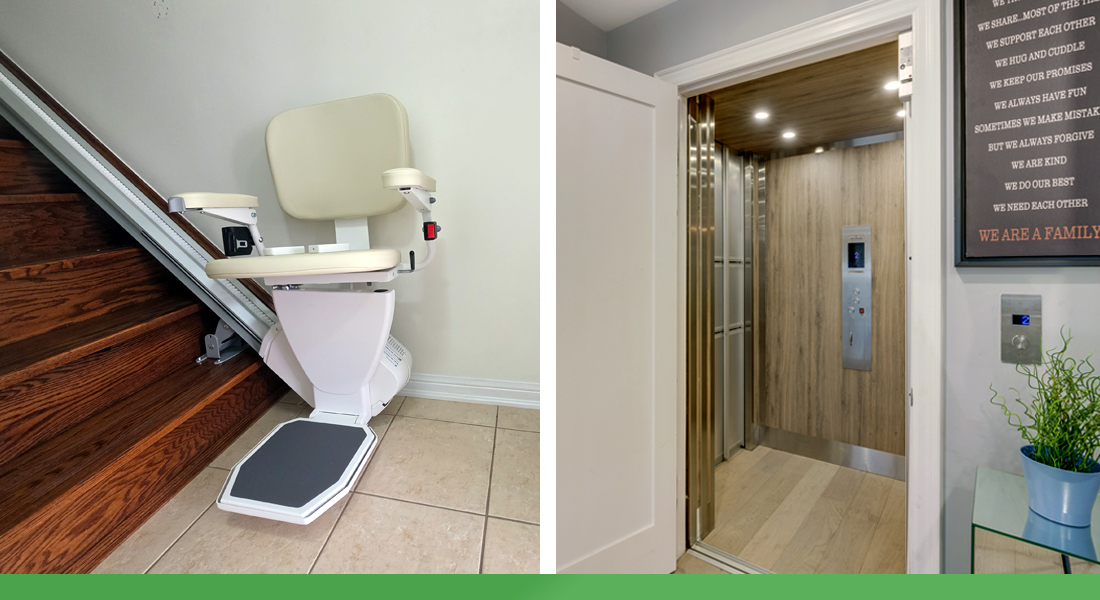
When you want to stay in the home you know, the stairs often become one of the first places where mobility changes are felt. Two solutions homeowners frequently consider are a stairlift and a home elevator. Both can make moving between floors easier, but they solve the challenge in different ways.
A stairlift is designed around the staircase itself, while a home elevator creates a dedicated path between levels. The better fit depends on who will use the equipment, the home’s layout, how mobility needs may change, and what kind of access will be most useful every day.
What does a stairlift solve?
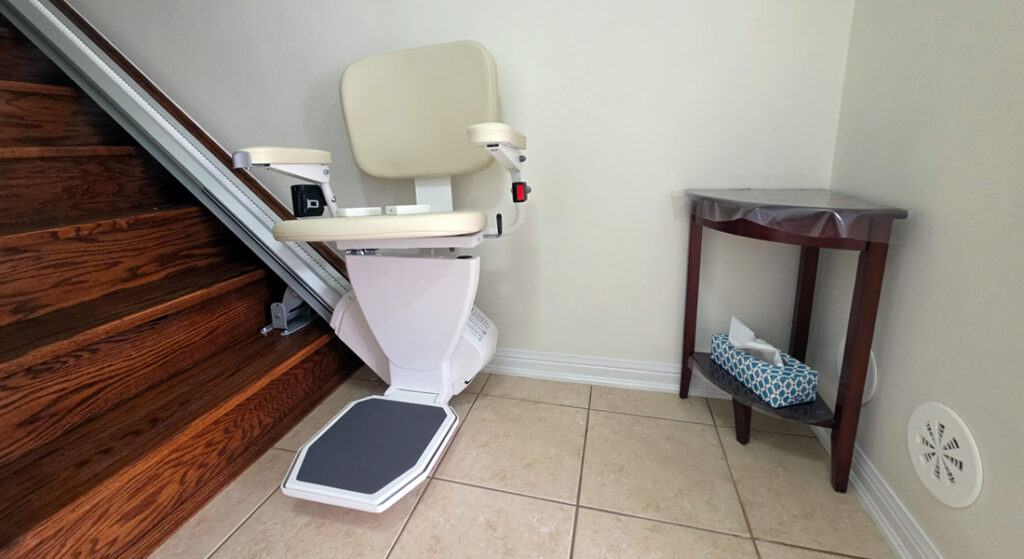
A stairlift carries a seated rider along an existing staircase. It can be a practical option when the primary challenge is safely using the stairs and the rider can comfortably transfer on and off the chair at each level.
Straight and curved stair lift configurations can accommodate many staircase layouts. The right recommendation depends on the shape of the stairs, landing and doorway clearances, parking locations, rider comfort, and whether the lift will be installed indoors or outdoors.
What does a home elevator solve?
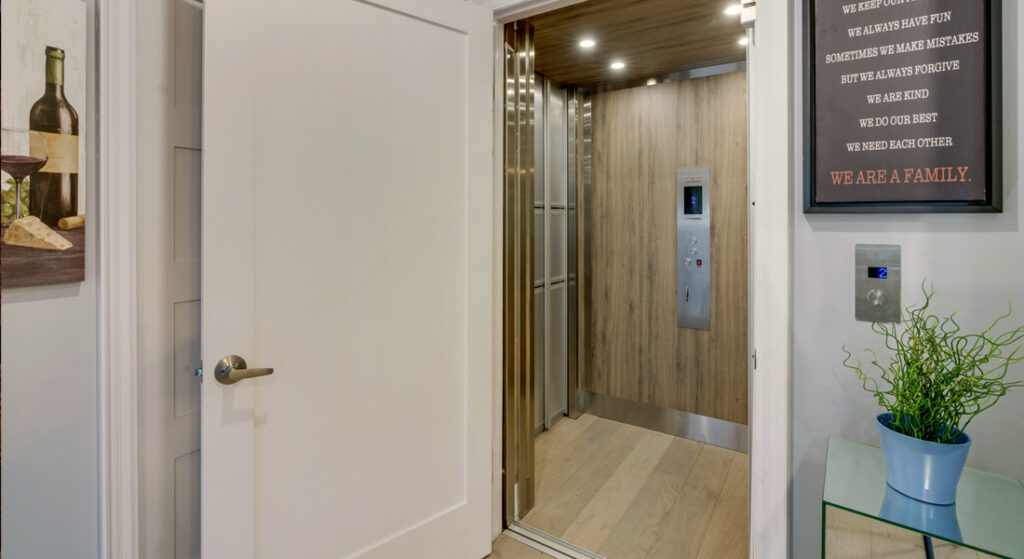
A home elevator provides vertical travel between floors inside a dedicated shaft or hoistway configuration. Instead of following the staircase, it can create a separate route through the home and may be useful when access needs extend beyond seated stair travel.
A home elevator may also support a broader range of users and mobility situations over time. Planning typically requires a more complete look at the home, including available space, travel path, structural conditions, electrical requirements, entrances, and the locations where the elevator will open on each floor.
Five questions that usually point toward the right solution
- Who needs to travel between floors? Consider whether the primary user can transfer safely to a stairlift seat or needs to remain with a wheelchair, walker, or other mobility aid.
- Is the staircase the only barrier? If the challenge is limited to one staircase, a stairlift may address the main need. If the goal is broader floor-to-floor access, a home elevator may deserve consideration.
- How should the solution fit into daily routines? Think about where the user starts and ends each trip, where equipment needs to park, and whether family members or caregivers will use the same route.
- How might mobility needs change? Aging-in-place planning should consider both today’s abilities and the possibility that transfers, balance, or mobility-device use may become more difficult later.
- What does the home allow? Staircase design, floor plans, available space, structural conditions, and local requirements can all shape which options are practical.
When a stairlift may be the better fit
A stairlift may be a strong starting point when the main goal is making an existing staircase easier to use and the rider can sit, transfer, and operate the lift comfortably. Because it follows the stairs, it can preserve the home’s existing floor-to-floor route rather than creating a new one.
It can also be useful when one specific staircase is the primary barrier. The recommendation should still account for the rider’s balance, seating needs, landing space, nearby doors, and the complete path at the top and bottom of the stairs.
When a home elevator may be the better fit
- The user needs a dedicated floor-to-floor route that does not depend on the staircase
- The solution may need to accommodate mobility equipment or more than one type of user
- The home layout offers an appropriate location for elevator travel and landings
Choose for the life you want to keep living at home
A stairlift and a home elevator can both support aging in place, but the best solution is the one that fits the person, the home, and the way the space is used every day. Looking beyond the equipment itself and considering transfers, mobility devices, future needs, and the complete route through the home — can make the decision much clearer.
Explore our stairlifts and home elevators, or contact one of our Mobility Specialists to discuss your home and accessibility goals.