

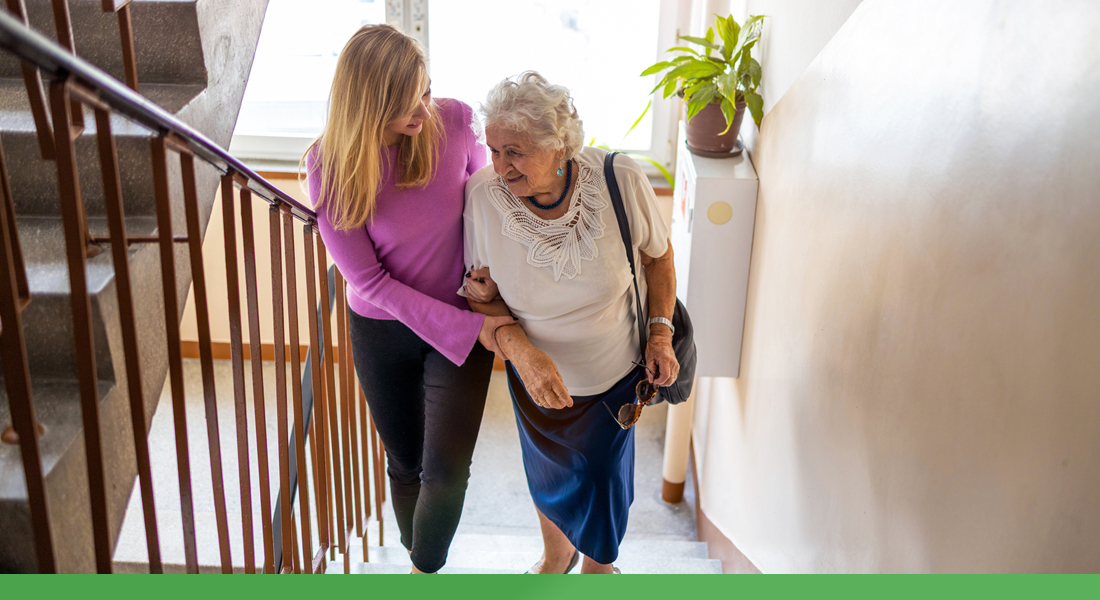
When someone you care about needs more help at home, the instinct is often to step in immediately. But useful support is not always about doing more for the person. Sometimes it is about changing the environment so they can continue doing more for themselves.
For families and caregivers, the most helpful starting point is a conversation about which routines the person wants to keep doing independently and where assistance is actually needed.
Ask before assuming what is difficult
The obstacle that looks most obvious to a caregiver may not be the one that matters most to the person using the home. Ask which parts of the day feel frustrating, tiring, or limiting and which activities they most want to continue doing on their own.
Protect familiar routines when possible
Independence is often tied to ordinary routines: going upstairs to a bedroom, reaching the porch, getting to the kitchen, leaving for an appointment, or joining family outside the home. Accessibility planning can begin by protecting those familiar parts of the day.
Change the environment before changing the person’s role
Before automatically taking over a task, look at whether the environment is creating the difficulty. A level change, inaccessible entrance, long walking distance, or challenging staircase may be the barrier. Addressing the route can sometimes allow the person to remain more involved in the activity.
Include the person in equipment decisions
If mobility equipment is being considered, the person using it should be part of the conversation whenever possible. Discuss the route, transfers, comfort, controls, available space, and what they want the equipment to help them accomplish.
Think about the caregiver’s route, too
Caregiving can involve carrying belongings, helping with transportation, managing mobility equipment, and moving repeatedly through the home. A more accessible route can support both the person receiving help and the family member or caregiver assisting them.
Look for solutions that support choice
The right accessibility solution depends on the individual, the home, and the route that needs to become easier. Stair lifts, wheelchair lifts, home elevators, ramps, and mobility scooters address different barriers. The goal is not simply adding equipment; it is helping the person keep more choices in their day.
Keep checking in
Mobility and caregiving needs can change. A regular conversation about what is working, what feels difficult, and where more or less assistance is needed can keep support aligned with the person’s preferences.
Questions families can ask together
- Which daily activity is most important to keep doing independently?
- Where in the home is help needed most often?
- Is the difficulty caused by distance, stairs, a level change, transfers, or another barrier?
- Would changing the route or environment reduce the amount of hands-on help needed?
- What mobility equipment is already being used?
- How might needs change over the next several months?
- Who should be involved in evaluating the home and available solutions?
Support independence one routine at a time
Caregiving is personal, and there is no single definition of the right amount of help. Starting with the individual’s goals can make accessibility planning more respectful, practical, and useful for everyone involved.